Cooking focus
Harvest mushrooms, then fish for species that complete specific recipes you have unlocked.
Fishing and mushroom growing often compete for the same in-game hours. Here is how to combine them into a routine that feels productive without becoming a chore.
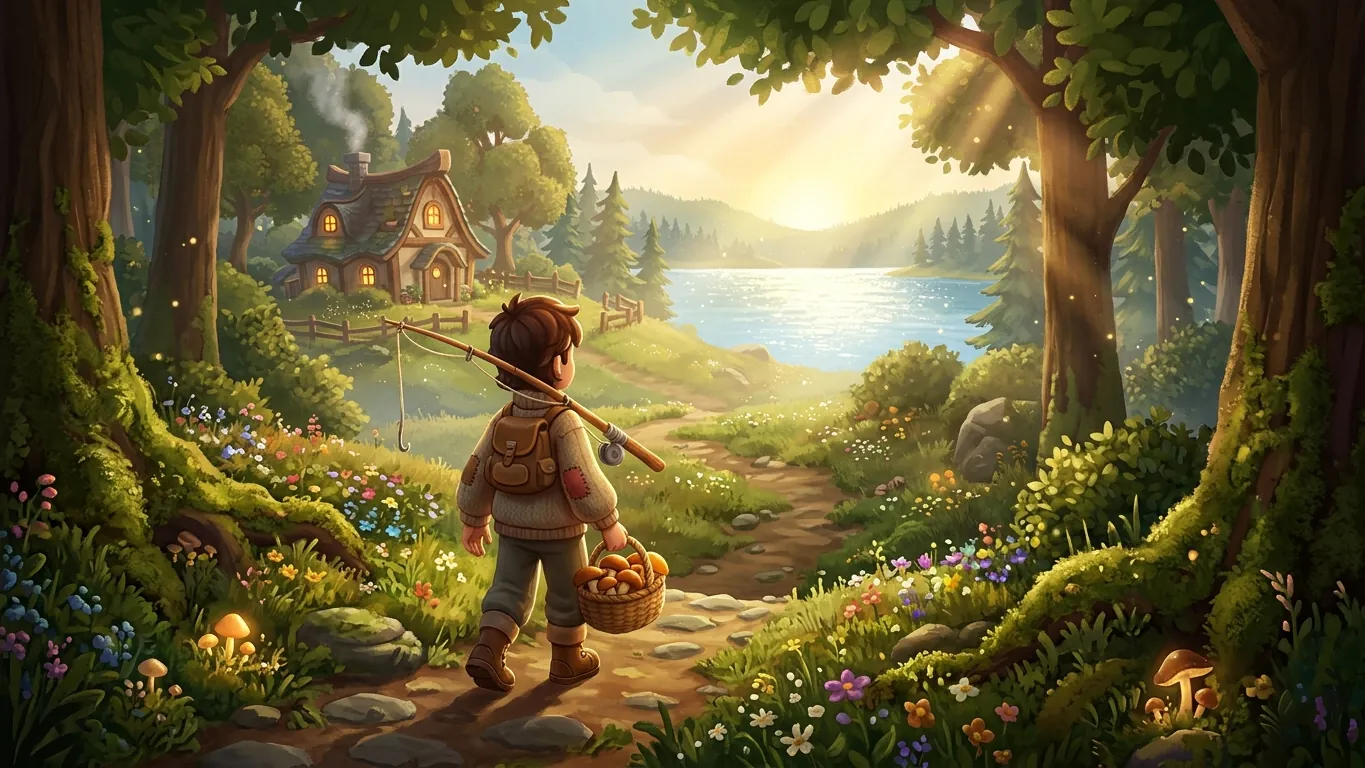
Fishing and mushroom farming complement each other in many games. Mushrooms usually need a quick daily or periodic check, while fishing is an open-ended activity you can stretch or shorten. That makes mushrooms a natural start to the day and fishing a flexible way to fill the time that remains.
They also tend to share uses. Both often appear as cooking ingredients, gifts or crafting materials, and some recipes call for one of each. When you plan them together, the harvest from one activity can directly support the other, for example by cooking a meal that restores the energy you need for a longer fishing trip.
A reliable routine starts with the tasks that have fixed timing. If your mushrooms need watering or harvesting, do that first while you are still near home. Then handle any crops, animals or other chores your game includes. Once the essential tasks are done, head out to fish with whatever time and energy remain.
It helps to place your mushroom area along the path to your favorite fishing spot. That way the harvest becomes part of the journey instead of a separate trip. Some players end the day by fishing near home, so they can store the catch and go to bed without a long walk back.
Your routine can shift depending on what you want from a session.
Harvest mushrooms, then fish for species that complete specific recipes you have unlocked.
Keep the mushroom check short and spend more time in new fishing areas or conditions.
Do the harvest, then fish at a scenic spot with no particular target in mind.
Gather mushrooms and fish that characters in your game appreciate as gifts, then visit town.
Many games limit what you can do in a day through energy, stamina or the clock. Mushroom harvesting usually costs little energy, while fishing may drain more during long minigames. Keeping a few cooked dishes in your bag lets you extend a fishing session when conditions are good, such as a rainy evening that brings out a species you are looking for.
Watch for days when one activity matters more. A season change might bring new fish worth a full day by the water, or a set of logs might need replacing. Allowing your routine to flex prevents the feeling that you are just repeating the same checklist.
Daily loops are part of the charm of cozy games, but they can start to feel like work. If that happens, scale back. Fewer mushroom logs or a shorter fishing window can make the game feel fresh again. Some games let you automate parts of farming through upgrades or helpers, which frees time for exploration.
It is also fine to skip a day of fishing entirely or let a harvest wait if your game allows it. The most sustainable routine is the one that matches the time and mood you bring to each session.
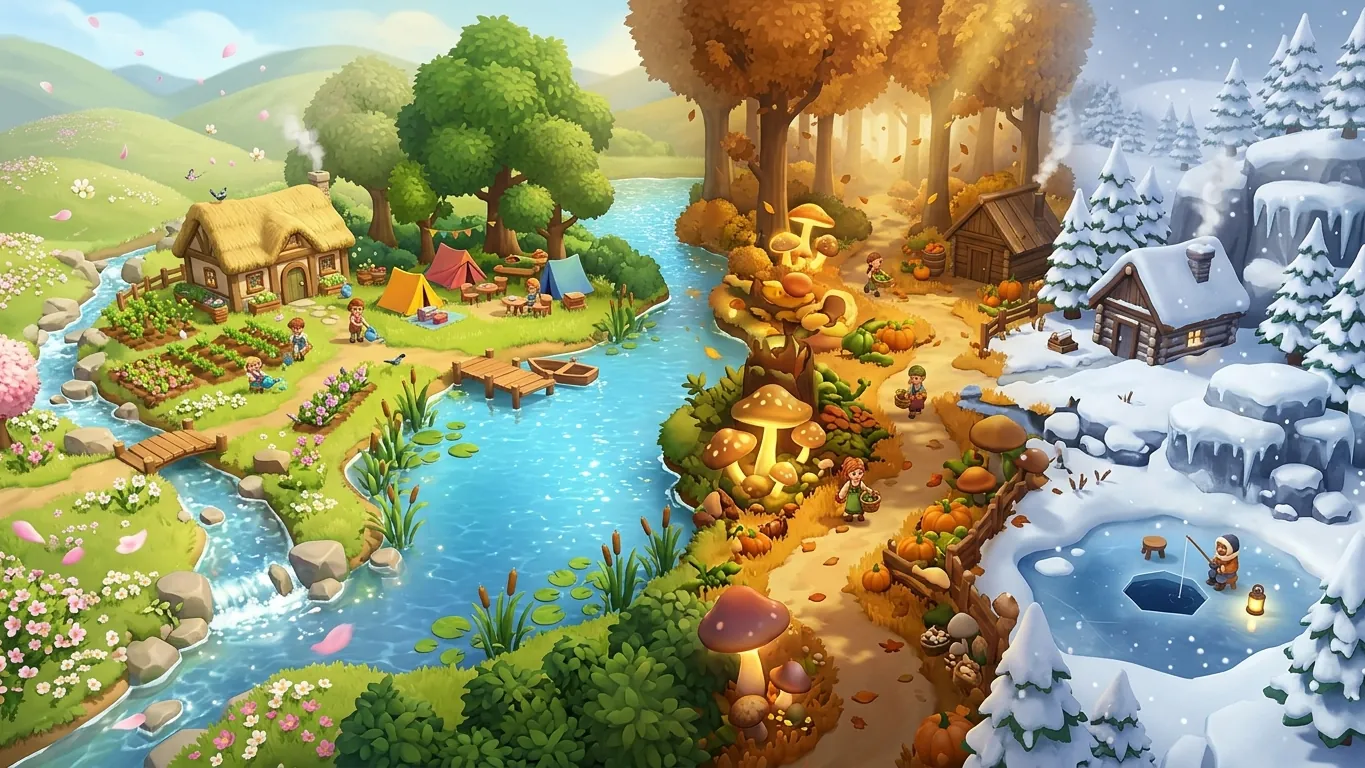 Seasons, weather and time of day
An explainer on how in-game seasons, weather and time of day commonly affect which fish appear and how mushrooms grow in farming and adventure games.
Read more
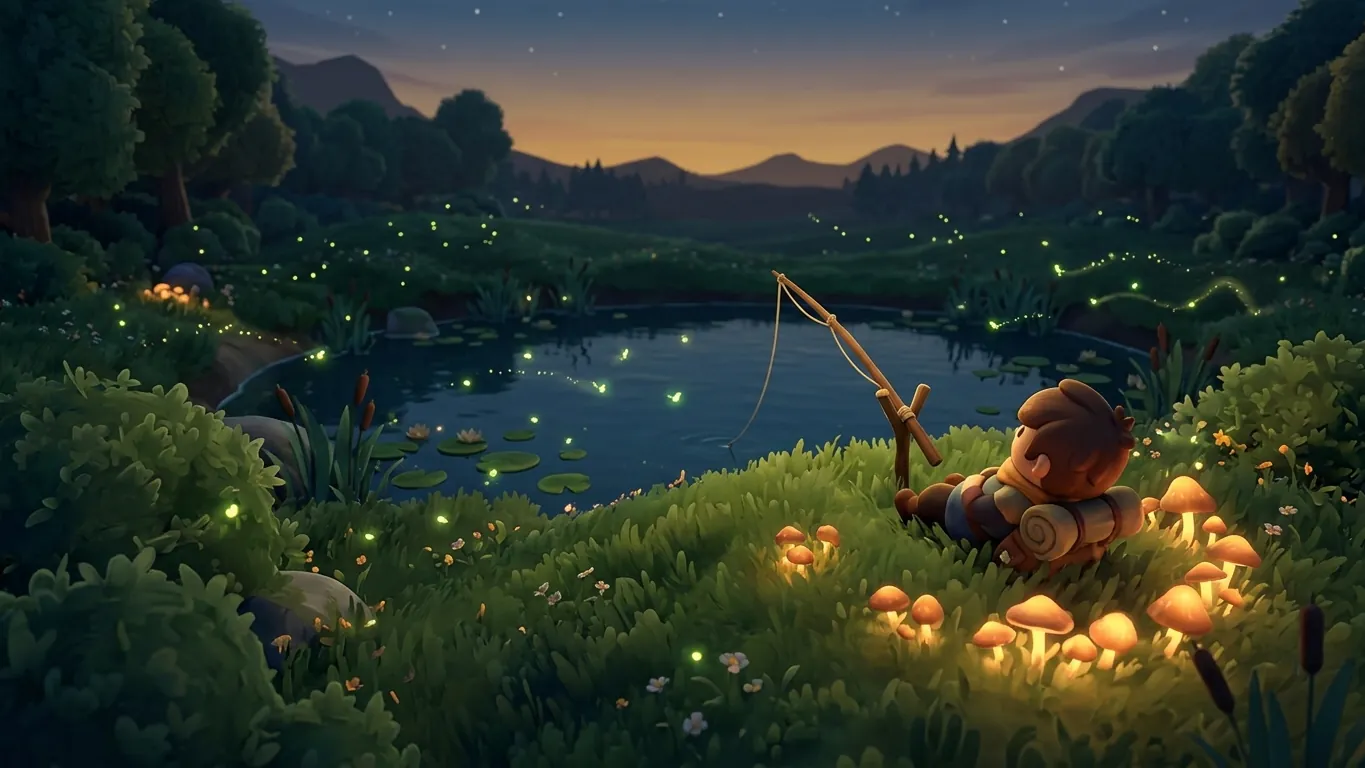 Why these quiet loops feel so good
An opinion piece on why slow game activities like fishing and mushroom farming feel calming, and which design choices make these loops enjoyable.
Read more
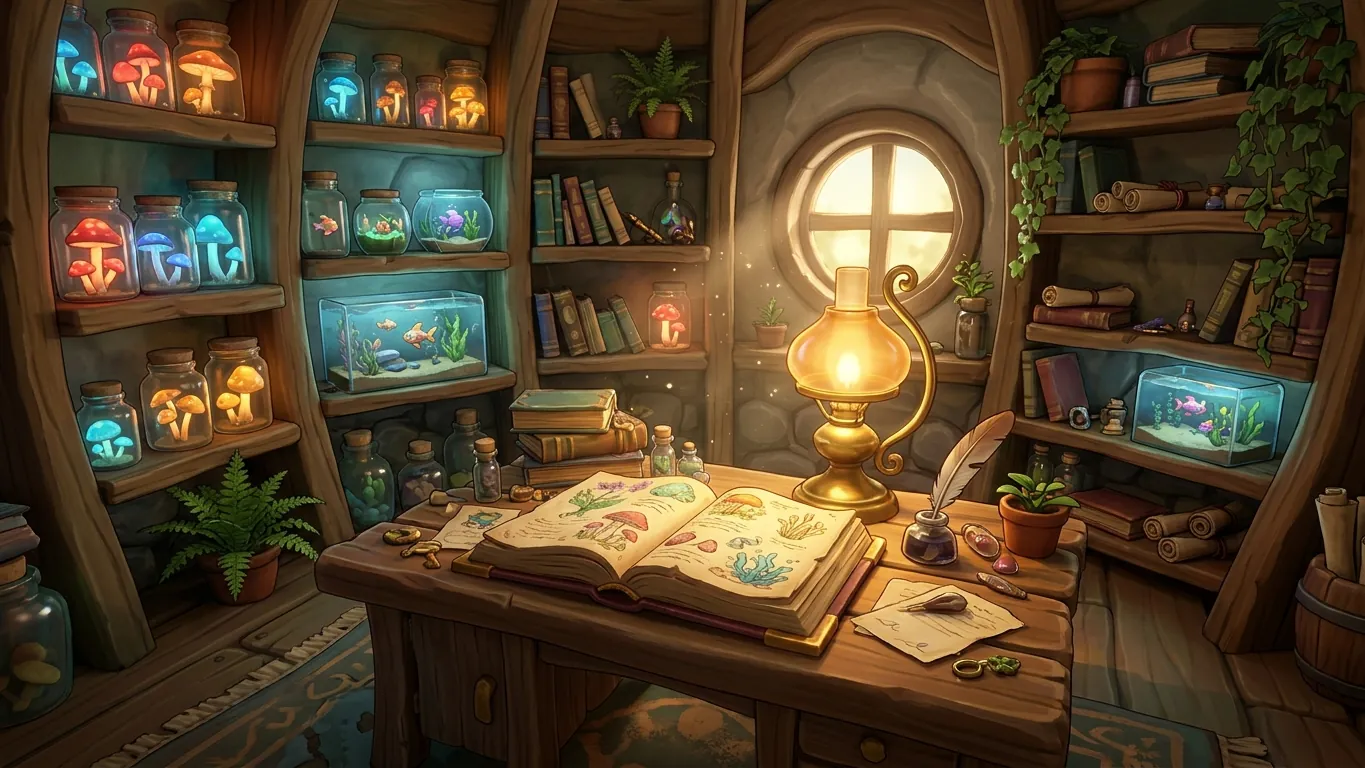 Completing fish and mushroom collections
Tips for tracking fish logs and mushroom collections in video games, finding missing entries and enjoying completion goals without stress.
Read more