Fishing tips for new players
If fish keep slipping away or your bucket stays empty, a few simple habits can help. These tips apply to most fishing systems in farming, life simulation and adventure games.
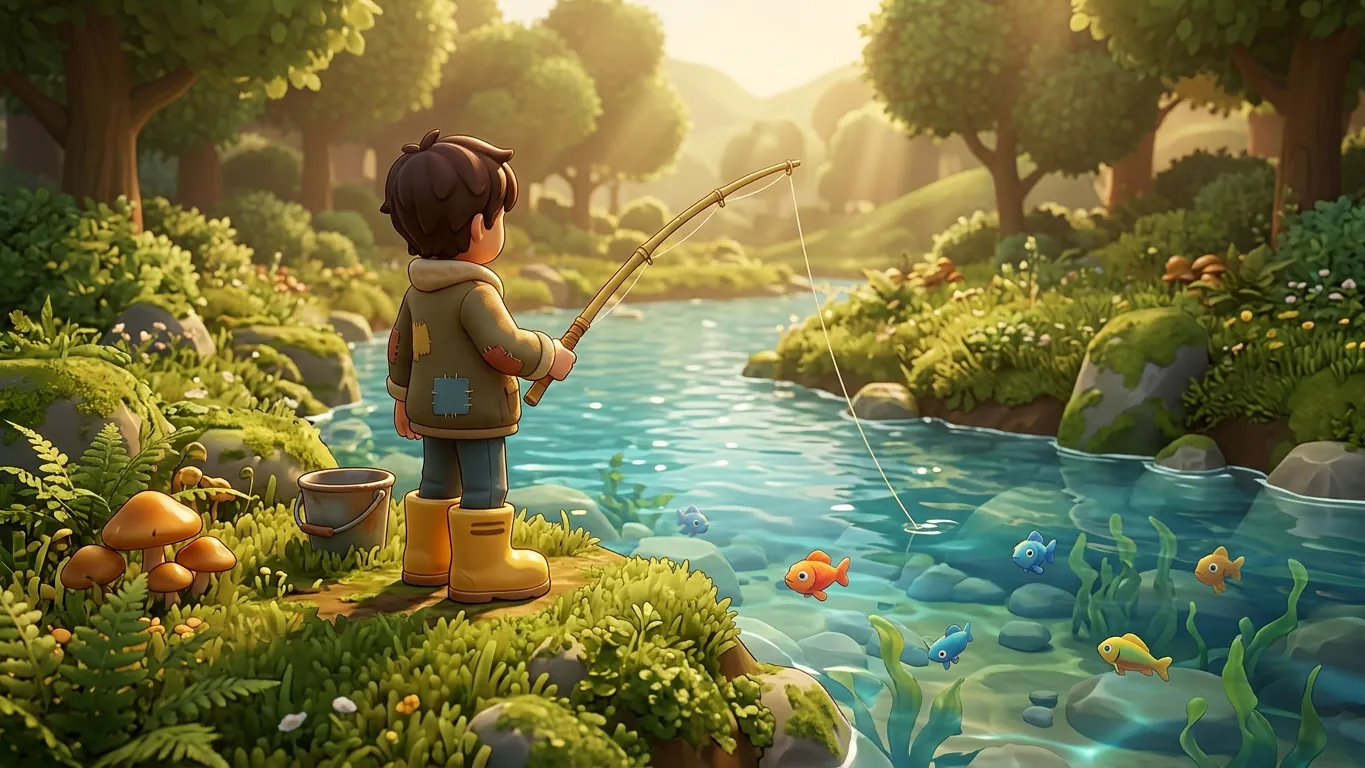
Start where fish are easy
Most games place the simplest fish near your starting area. Ponds, slow rivers and docks close to town usually hold common species that are forgiving in the minigame. Spending your first sessions there lets you learn the controls without the pressure of losing something rare.
Pay attention to visual hints. Many games show ripples, bubbles, shadows or jumping fish where catches are more likely. Casting near these spots often shortens the waiting time. If your game lets you see fish shadows of different sizes, small shadows are typically easier to land and are a good way to build confidence.
Learn the bite signal first
The most common beginner mistake is reacting at the wrong moment. Some games show small nibbles before the real bite, and pressing too early can scare the fish away. Watch carefully for the cue that marks the actual bite: often a deeper bobber dip, a distinct sound or an icon above your character.
Turning the game sound up for fishing sessions can help, since audio cues are often clearer than visual ones. If your game uses controller vibration, make sure it is enabled. Spending a few casts just observing the pattern, without worrying about the catch, is a quick way to build reliable timing.
Use bait and gear thoughtfully
Bait usually affects how quickly fish bite, which species are attracted or both. In the early game it is often worth using basic bait regularly because it reduces waiting and lets you practice more. Save special bait or lures for moments when you are targeting a particular fish.
When you unlock a new rod or reel, try it in a familiar spot first so you can feel the difference. Read upgrade descriptions closely: some items make the minigame easier, while others change what you can catch. Upgrading the item that addresses your current problem, such as fish escaping or long waits, gives the most noticeable improvement.
Watch the clock and the weather
Many games link fish availability to time of day, weather and season. A species that never appears on sunny mornings might show up on rainy evenings. Instead of trying to learn every rule at once, notice what you catch in different conditions and keep a simple mental note or written list.
If your game includes an in-game encyclopedia or fish log, check it after each new catch. These logs often record where and when a species was found, which saves guesswork later. Planning one fishing trip during a rainy day or a different season can quickly expand your collection.
Keep inventory and energy in mind
Fishing trips can end early because of a full backpack or low character energy. Before heading out, clear space in your inventory and, if your game uses stamina, bring a snack or plan to return home before you run out. Some games let you place storage chests near fishing spots, which makes longer sessions much smoother.
It also helps to decide what you will do with your catch. Common fish can often be sold, cooked or used in crafting, while rarer ones may be useful for collections, quests or gifts. Sorting a little as you go prevents a cluttered inventory later.
Keep it relaxed
Fishing in cozy games is meant to be calm. If a fish gets away, there will be another bite soon. Short sessions, comfortable settings and accessibility options such as slower minigames are all valid ways to enjoy the activity. With a bit of practice, the timing usually starts to feel natural.
Related articles
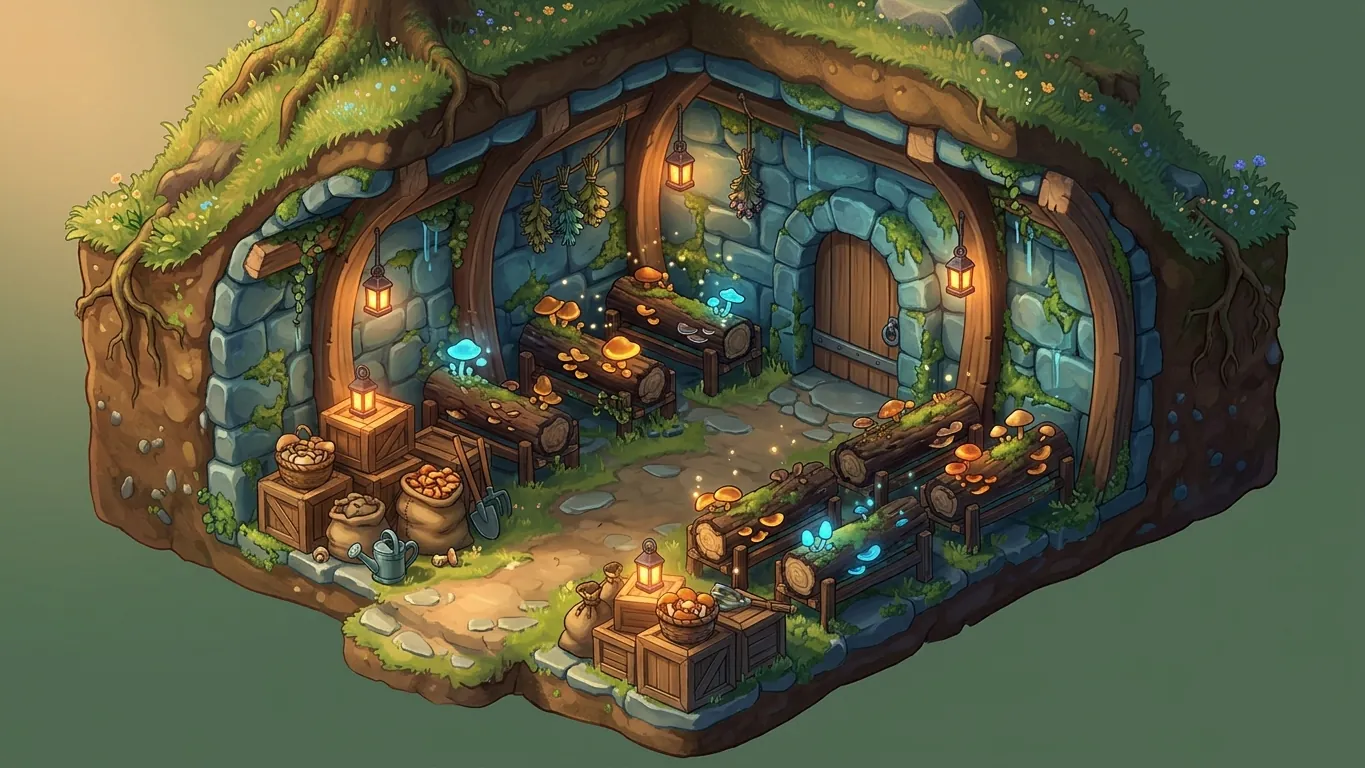 Designing a mushroom grow room
A guide to planning an in-game mushroom grow room or cave: layout ideas, walking paths, storage placement and scaling your setup step by step.
Read more
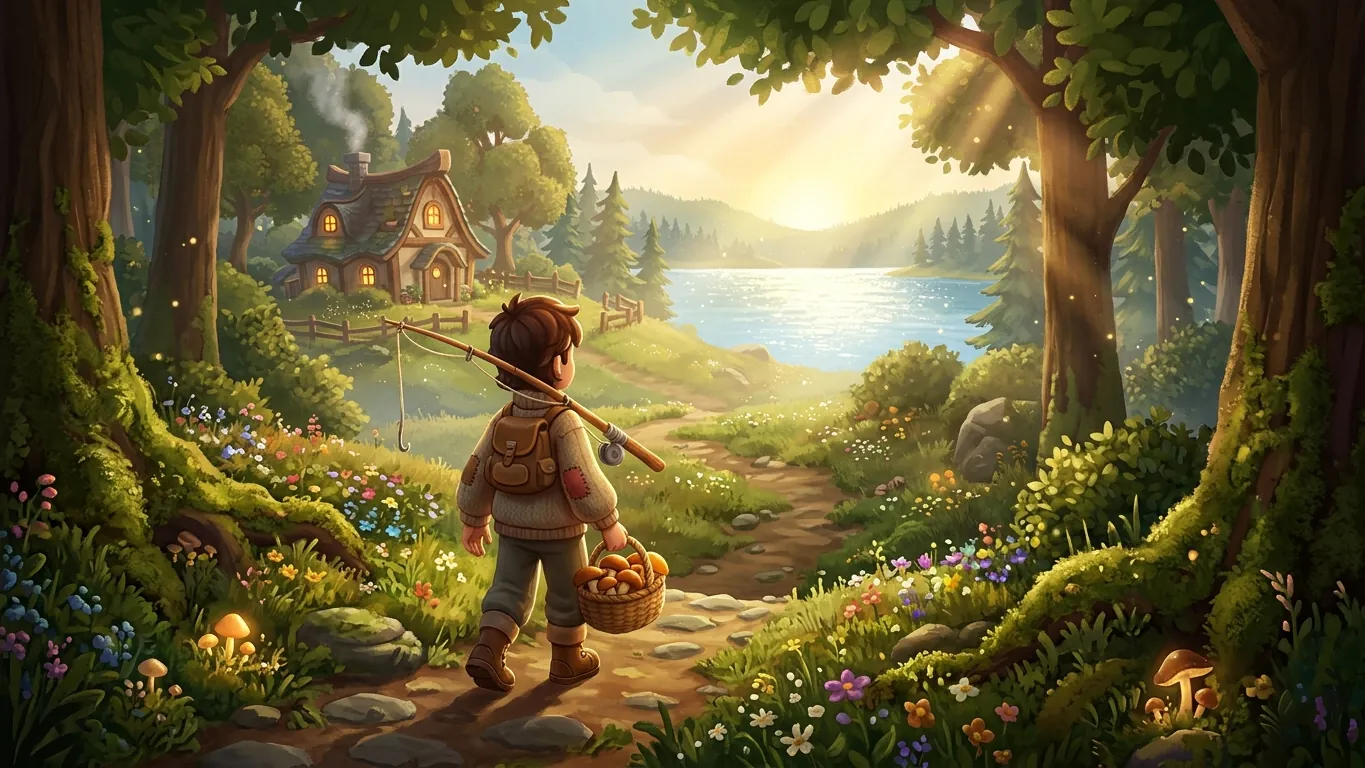 Balancing fishing and mushroom farming
How to fit fishing trips and mushroom harvests into one smooth in-game day, with routine ideas, cooking combinations and tips for avoiding burnout.
Read more
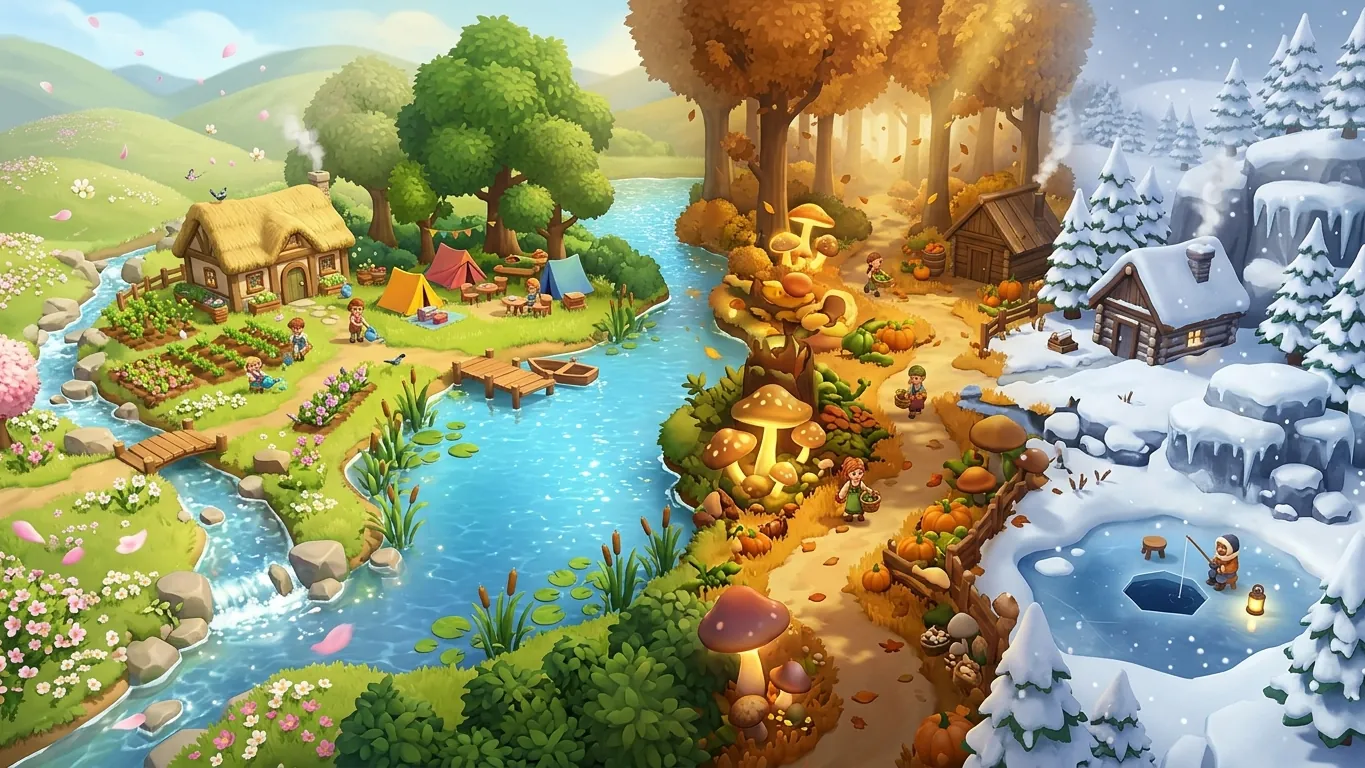 Seasons, weather and time of day
An explainer on how in-game seasons, weather and time of day commonly affect which fish appear and how mushrooms grow in farming and adventure games.
Read more