Mushroom farming basics
Mushrooms often grow by different rules than ordinary crops in games. This article explains the most common systems so your first grow area produces steadily.
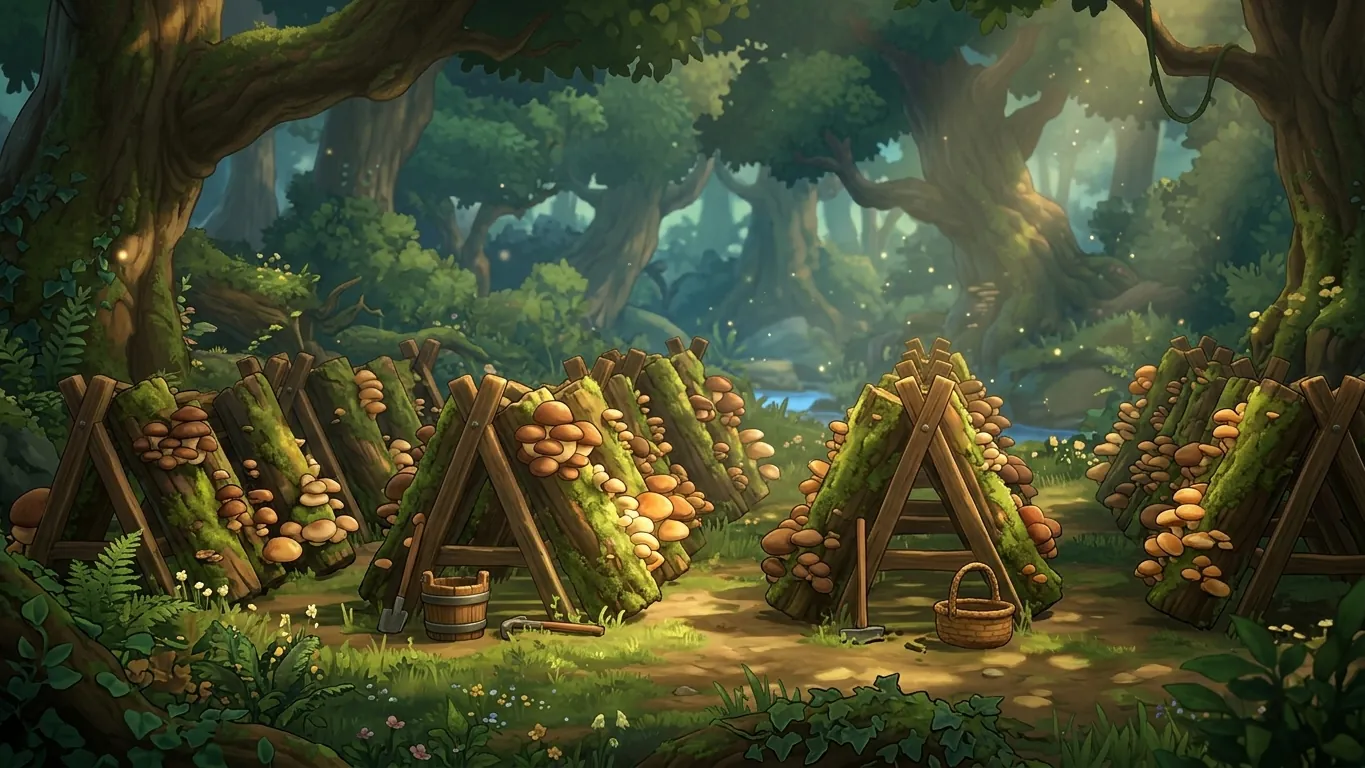
Why mushrooms are different from crops
In many farming games, regular crops follow a familiar pattern: till the soil, plant seeds, water daily and harvest when ready. Mushrooms frequently break that pattern. They might grow on logs instead of soil, prefer shade or darkness, need a dedicated building or appear only in certain seasons.
Designers often use mushrooms as a way to add variety to the farming routine. They can offer a source of produce that does not depend on sunny fields, a reason to explore caves or forests, or an indoor activity for colder in-game months. Understanding which of these roles mushrooms play in your game helps you decide how much time and space to give them.
Common growing methods
The most frequent method is the mushroom log. You place a log, inoculate it with spores or spawn, and wait several in-game days for a harvest. Logs often keep producing for a number of cycles before they need replacing.
Another method uses planters or beds filled with a special substrate such as straw, compost or wood chips. These behave a bit like crop plots but usually need shade or indoor placement. A third method is the cave or cellar, a dedicated space where mushrooms spawn on their own over time, sometimes randomly from a set of possible types.
Some survival games treat mushrooms as wild resources you can transplant, while others let you craft growing kits. Whichever method your game uses, read the in-game description of the item carefully, because it usually hints at the requirements.
Factors that often affect growth
Games vary, but a few factors appear again and again. Shade and light are the most common: many games block mushroom growth in direct sunlight or slow it down. Moisture or humidity is another, sometimes represented by watering, sometimes by placement near water or by rainy weather. Season can matter, with certain mushrooms growing only in autumn or spring.
Some games also track the material you use. Different types of logs or substrates may produce different mushrooms, or one type may yield more often. Temperature is rarer but shows up in more detailed simulations. If your mushrooms are not growing, check these points one by one, starting with light and moisture, before assuming something is broken.
Setting up your first grow area
These general steps work for most games that include mushroom farming.
- 01
Find the requirements
Read the item descriptions or in-game help for logs, beds or spawn to learn what light and moisture they need.
- 02
Choose a suitable spot
Pick a shaded or indoor location close to your daily route so checking it does not become a detour.
- 03
Start small
Place a few logs or beds first and observe how often they produce before expanding.
- 04
Keep a simple routine
Water or check the area at a consistent time each in-game day if your game requires it.
- 05
Harvest and adjust
After a few cycles, decide whether to add more units, try another material or move the setup.
What to do with your harvest
Mushrooms usually serve several purposes in games. They can be sold, used as cooking ingredients, turned into potions or crafting materials, given as gifts to characters or offered toward collection goals. Some rare varieties are mainly useful for specific recipes or quests, so it can be worth keeping a few in storage rather than selling everything right away.
Finally, remember that game mushrooms are fictional. A glowing blue cap that restores energy in a game tells you nothing about real fungi. If real mushroom cultivation interests you, look for guidance from qualified experts and reliable educational sources.
Related articles
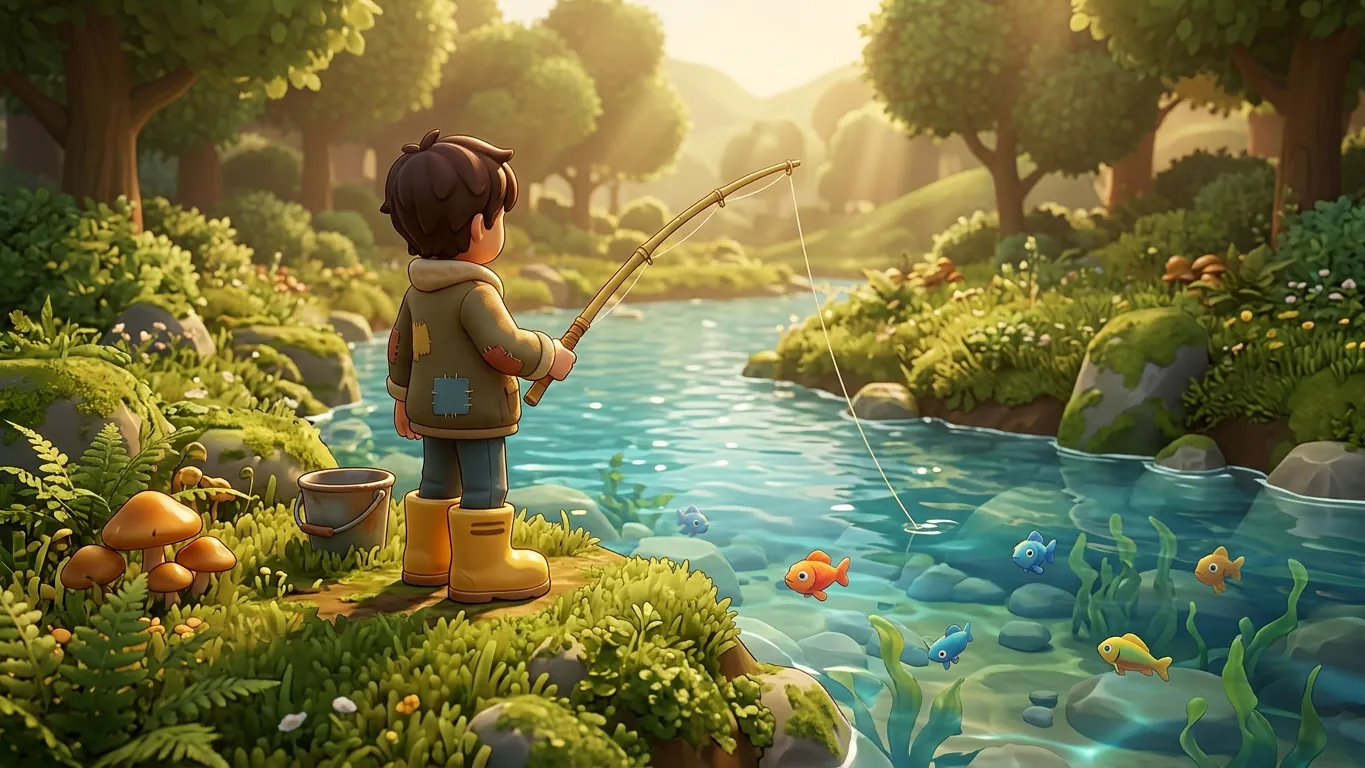 Fishing tips for new players
Practical fishing tips for beginners in cozy and farming games: choosing spots, timing, bait, inventory habits and keeping sessions relaxed.
Read more
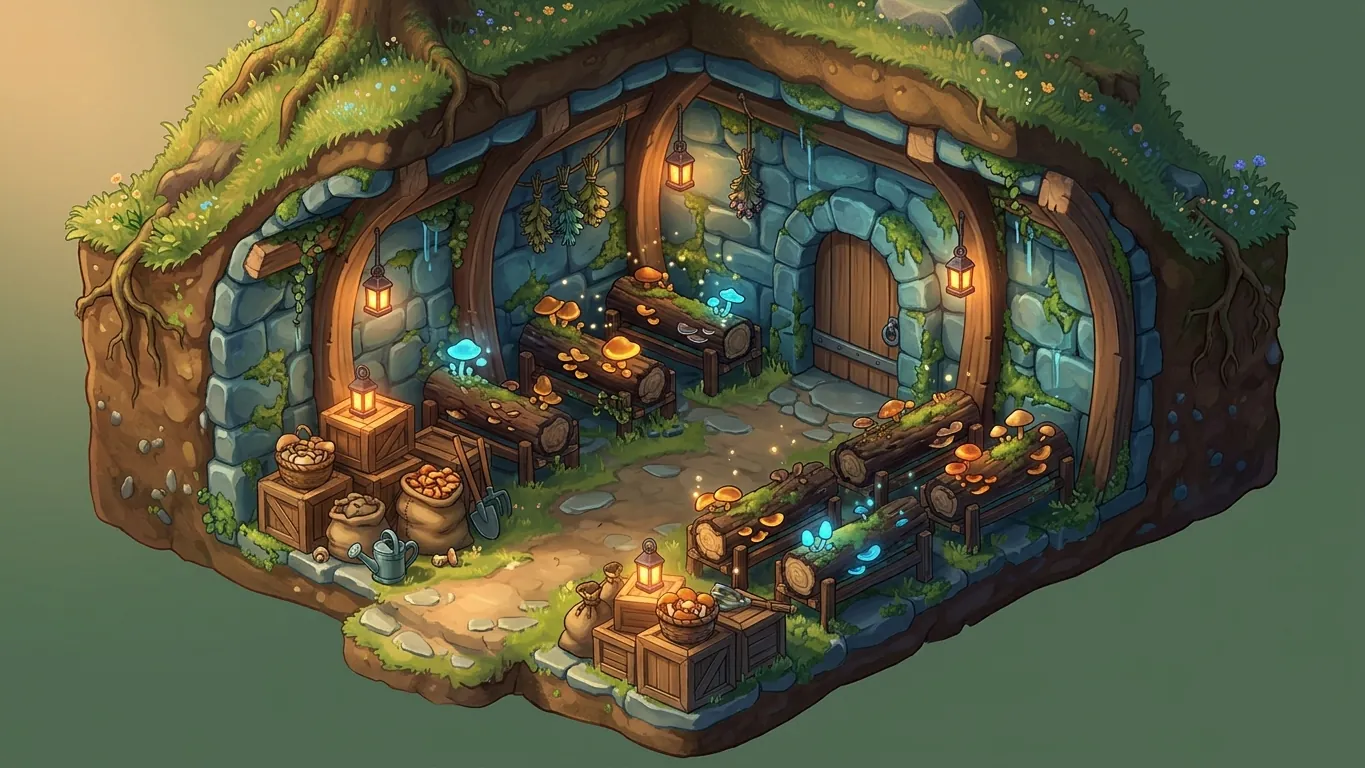 Designing a mushroom grow room
A guide to planning an in-game mushroom grow room or cave: layout ideas, walking paths, storage placement and scaling your setup step by step.
Read more
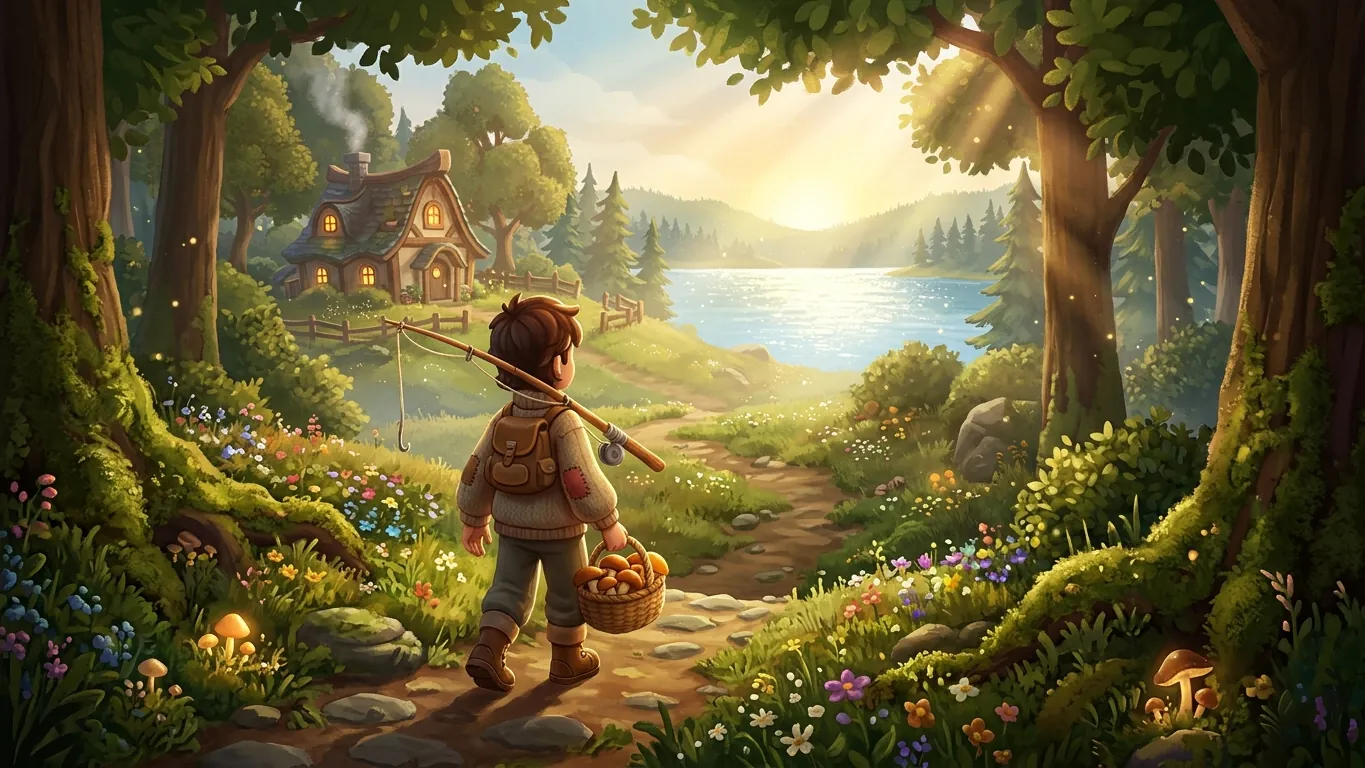 Balancing fishing and mushroom farming
How to fit fishing trips and mushroom harvests into one smooth in-game day, with routine ideas, cooking combinations and tips for avoiding burnout.
Read more